



 Reset
Reset
One leg, two legs, or three: the difference is easy to see. What matters more is how each support works with your position, available space, and equipment. Bipods, monopods, and tripods serve different roles, and no single design is the best choice for every situation.
Begin by considering where you expect to use the support. A compact bench arrangement presents different needs from an uneven outdoor surface or a position that requires greater height.
What Each Support Type Brings
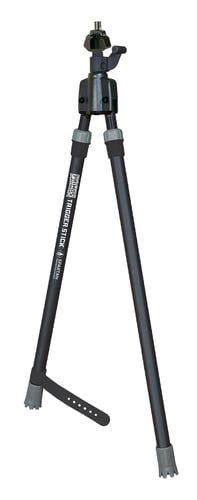
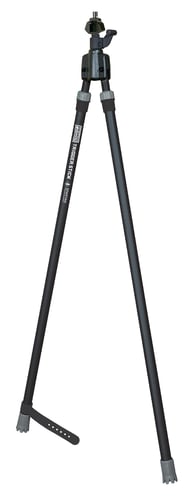
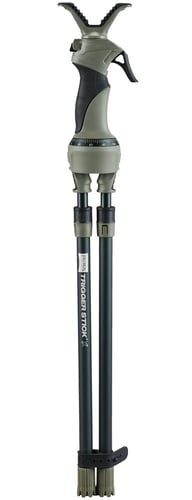
Bipods use two legs to support part of the firearm, commonly toward the front. Their usefulness depends on factors such as attachment compatibility, height range, and how the feet interact with the surface beneath them.
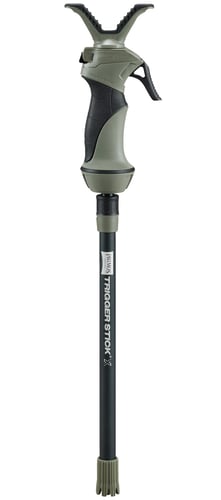
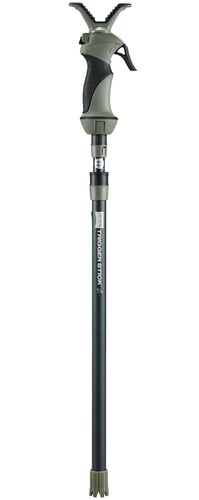
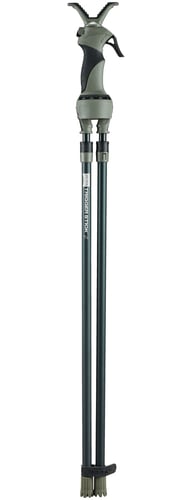
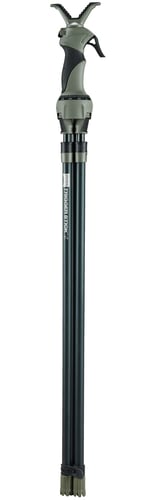
Monopods provide a single point of support. The term can describe different designs, including compact rear supports and taller shooting sticks. Look closely at intended use; products with the same general name may serve very different purposes.
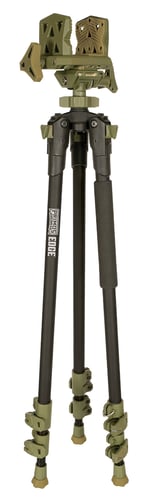
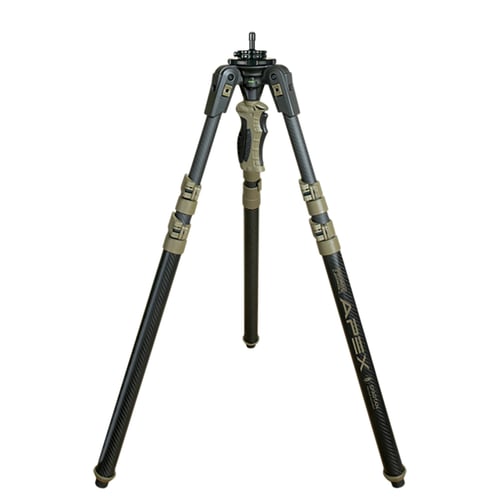
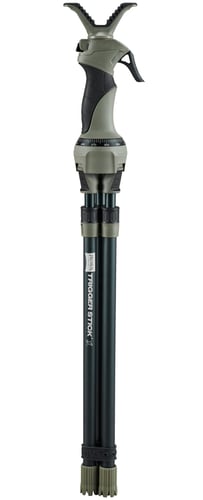
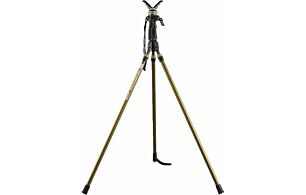
Tripods use three legs to create a freestanding base. Depending on the design, they may support equipment through a rest, head, or compatible attachment. Working height, footprint, and the supported load all deserve attention.
Compare More Than the Number of Legs
After identifying the appropriate support style, consider the practical differences between individual products:
Adjustment range for your intended position.
Folded dimensions and carrying weight.
Space needed to spread or position the legs.
Compatibility with the firearm or supporting interface.
Manufacturer-stated load limits and use restrictions.
Check the Connection Separately
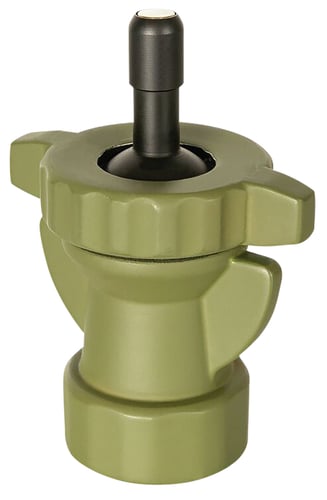
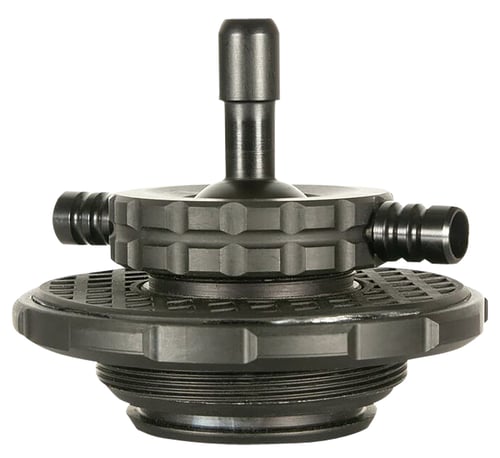
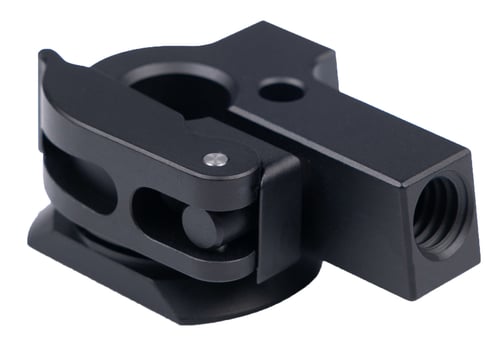
A support's height and capacity do not establish whether it connects correctly to your equipment. Confirm any required interface and whether necessary components are included or sold separately.
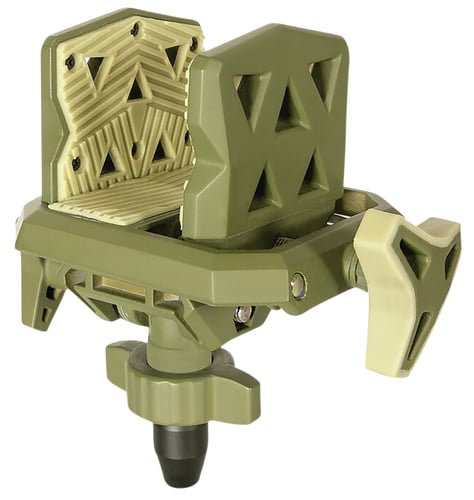
For designs that cradle rather than attach to the firearm, review the contact area and stated fit instead.
Balance Portability with Your Working Space
Equipment that travels easily may offer a different adjustment range or footprint from a larger support. Decide which tradeoffs suit your actual routine rather than comparing specifications in isolation.
Compare the bipods, monopods, and tripods listed at PAYNEGUNS.com, starting with your intended position and the support connection your equipment requires.